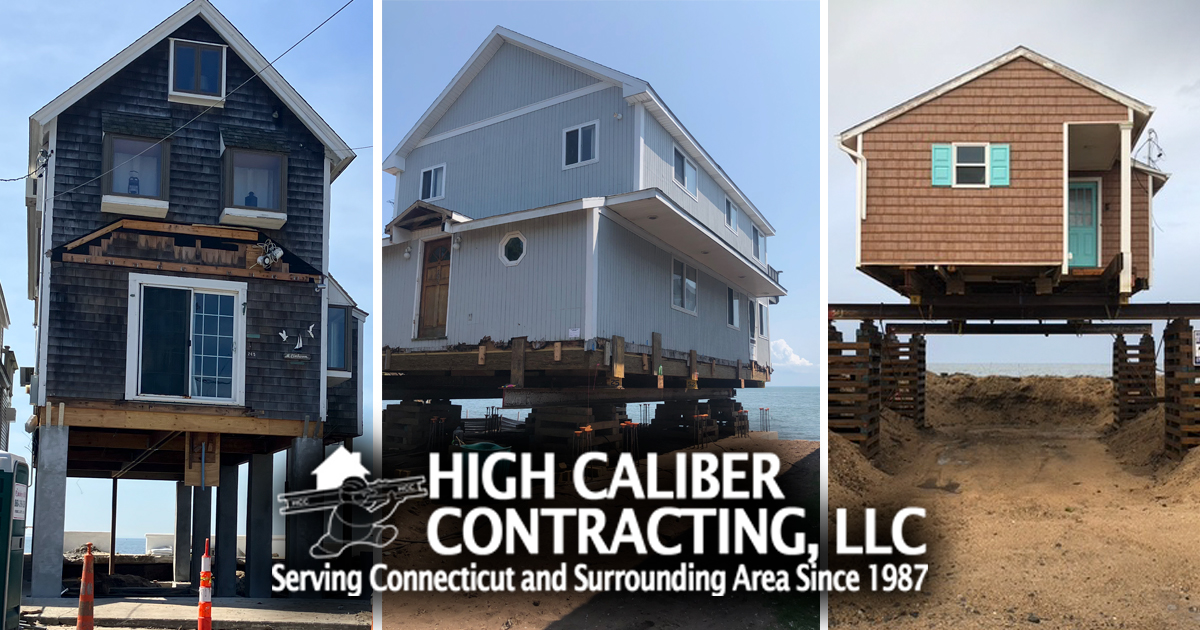
When a home sits by a marsh, river, or cove, the rules tighten—and that’s fine by us. Before any house lifting in CT, we walk the site with the owner, note wet spots and tide reach, and talk with the town’s wetlands agent. If permits are needed from the inland wetlands commission or CT DEEP, we line up drawings, a simple sequence of work, and a map of where trucks, beams, and crib stacks will go. The idea is simple: plan it right so we only touch what we have to.
On day one, erosion control goes in first. We run a silt fence along the low side and add straw wattles where water might cut through. If we expect groundwater, we bring a pump and a filter bag so any dewatering runs clear before it hits the ground. Near the tide water, we stage steel above splash and time lifts and concrete work around the tide chart. Little choices like that keep neighbors, inspectors, and the shoreline happy.
Gear matters near water. We lay mats so machines don’t rut up soft soil, keep fuels in pans with lids, and cover spoil piles before rain. While the house rests up on cribbing, we pour the higher foundation, set flood vents to spec, and shape clean drainage away from the walls. That’s structural lifting in CT done with a light footprint—raise it steady, keep the site tight, and put it back together fast.
When the work’s wrapped, we seed and straw the bare spots, remove the fencing once the grass takes, and send final photos with elevations for the file. If anyone asks how we handled house lifting CT near wetlands, we can point to a neat site and clear paperwork. That’s the goal every time: lift the home, protect the shoreline, and leave the place looking like we were never there.